
The Perfect Weapon of Deception
Deepfakes aren’t just entertainment gimmicks anymore they’ve become a weapon in the information war.
Cybercriminals and state actors alike are deploying AI-generated media to commit fraud, manipulate elections, and erode public trust.
In recent months, entire markets have fluctuated because of deepfake videos featuring fabricated executive statements. Political campaigns have been thrown into chaos by fake audio “leaks” that sound indistinguishable from reality. Even corporate security teams are being fooled by synthetic voices impersonating executives to authorize wire transfers.
When combined with social engineering, deepfakes become a potent psychological weapon not just hacking systems, but hacking belief itself.
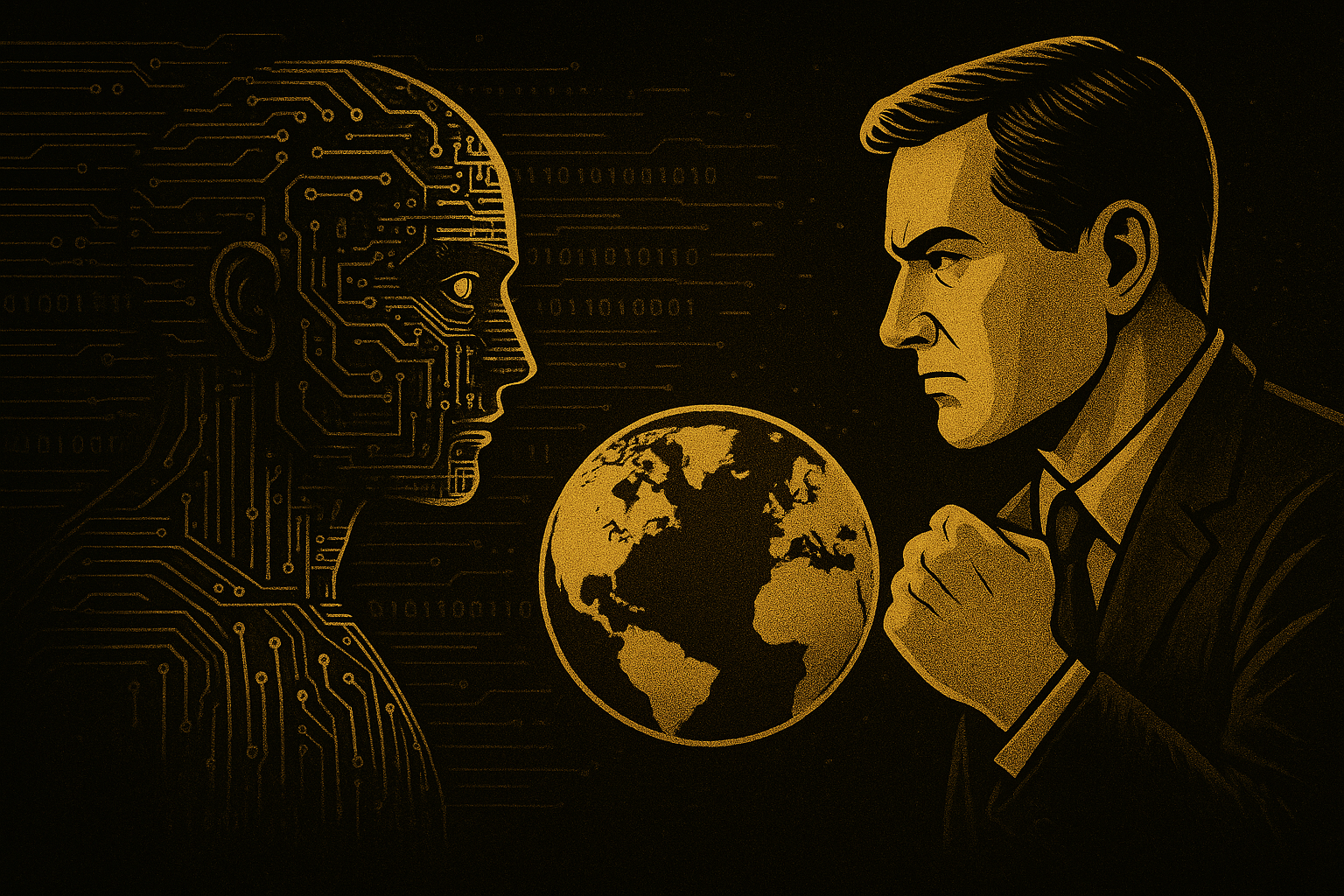
Fighting Back: Defending Truth in a Synthetic World
Cyber defenders, researchers, and policymakers are racing to respond.
AI-driven detection systems are being developed that can identify subtle inconsistencies in facial movements, lighting, and speech patterns. Governments are introducing deepfake labeling laws, while social media platforms are exploring authentication systems that verify video origins through blockchain or watermarking.
Yet the best defense might not be technical — it’s educational.
Awareness training, critical thinking, and digital literacy are becoming the new firewalls. Organizations that teach their employees how to recognize synthetic media, verify sources, and question digital authenticity will be the ones most resilient against manipulation.
That’s where initiatives like TacRaven ThreatScope and the TacRaven Cyber Academy come in — building the next generation of cybersecurity professionals who understand that the real battlefield isn’t always in code… sometimes, it’s in perception.
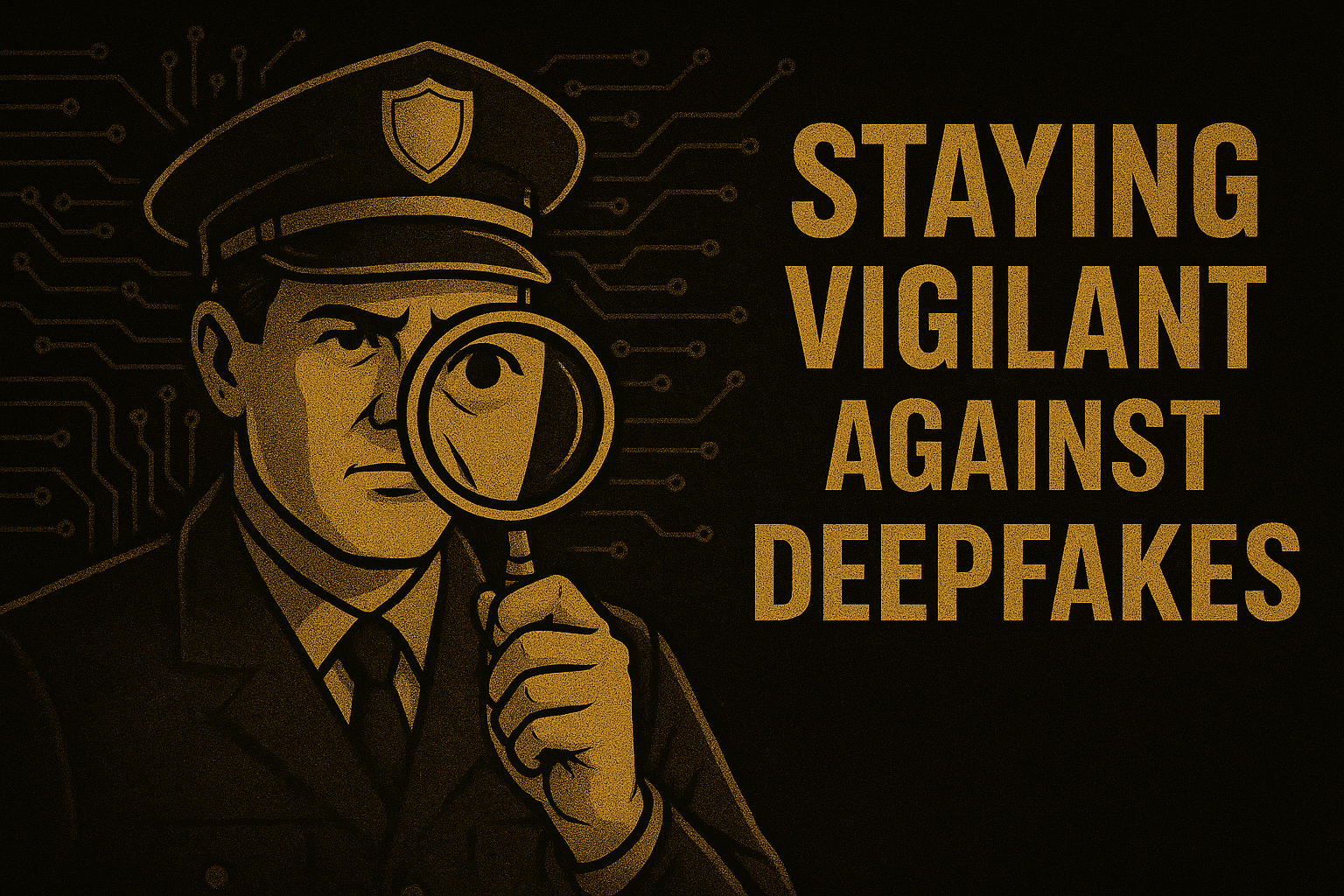
A Call to Vigilance
The deepfake dilemma isn’t going away it’s evolving.
As synthetic media becomes more accessible, the threat will shift from high-level political warfare to everyday cybercrime: impersonations, blackmail, phishing, and corporate sabotage.
In a synthetic world, truth must be verified not assumed.
It’s up to us, as defenders and digital citizens, to question what we see, confirm what we hear, and strengthen the fragile bridge of trust that holds our online world together
The future of cybersecurity won’t just be about stopping attacks it will be about protecting authenticity.
Because in an era where AI can clone faces, voices, and memories, trust itself has become the most valuable asset of all.
Courses