
The Shift Toward Continuous Exposure Awareness
To overcome this challenge, organizations are adopting a more intelligent and contextual approach "continuous exposure awareness. Rather than waiting for alerts, this method focuses on maintaining constant visibility into every asset, configuration, and vulnerability across the network. It’s a mindset shift from isolated detection to interconnected understanding. By mapping how different exposures relate to one another, SOC teams gain insight into the attack surface as a living, changing ecosystem.
This awareness isn’t a one-time audit it’s ongoing. It’s about creating a dynamic view of risk that evolves as the environment changes. When a new device connects, when credentials are reused, or when software configurations shift, exposure awareness ensures those changes are immediately visible. Instead of discovering weaknesses after an incident, analysts identify and address them before they can be exploited. The power lies in foresight rather than hindsight.
Continuous exposure awareness also improves collaboration across the organization. When the SOC can show leadership which systems are most at risk and why, conversations about security shift from technical jargon to business impact. Decision-makers can see the connection between exposure management and operational resilience. It becomes easier to justify investments, align priorities, and create a shared understanding that cybersecurity isn’t just an IT issue it’s a business continuity issue.

The Human Element
No matter how advanced the technology becomes, people remain at the center of cybersecurity. Continuous exposure awareness amplifies human potential instead of replacing it. It provides analysts with the clarity and context they need to make sound judgments quickly. When analysts understand why an alert matters, they can act with precision and purpose. That sense of clarity can dramatically reduce stress and improve retention within SOC teams.
This human-centered approach also fosters a culture of continuous learning. Each incident becomes an opportunity to strengthen awareness, refine playbooks, and improve decision-making. Over time, teams start to recognize patterns before they escalate. Analysts who once felt reactive become proactive strategists, guiding the organization toward long-term resilience rather than short-term firefighting.
At TacRaven, this principle lies at the heart of our training philosophy. We believe that effective cybersecurity starts with empowered people professionals who can interpret context, think critically, and act decisively. By combining technical knowledge with situational awareness, SOC teams can stay ahead of adversaries who are increasingly leveraging automation and AI. The goal isn’t just to outmatch technology it’s to outthink the threat.
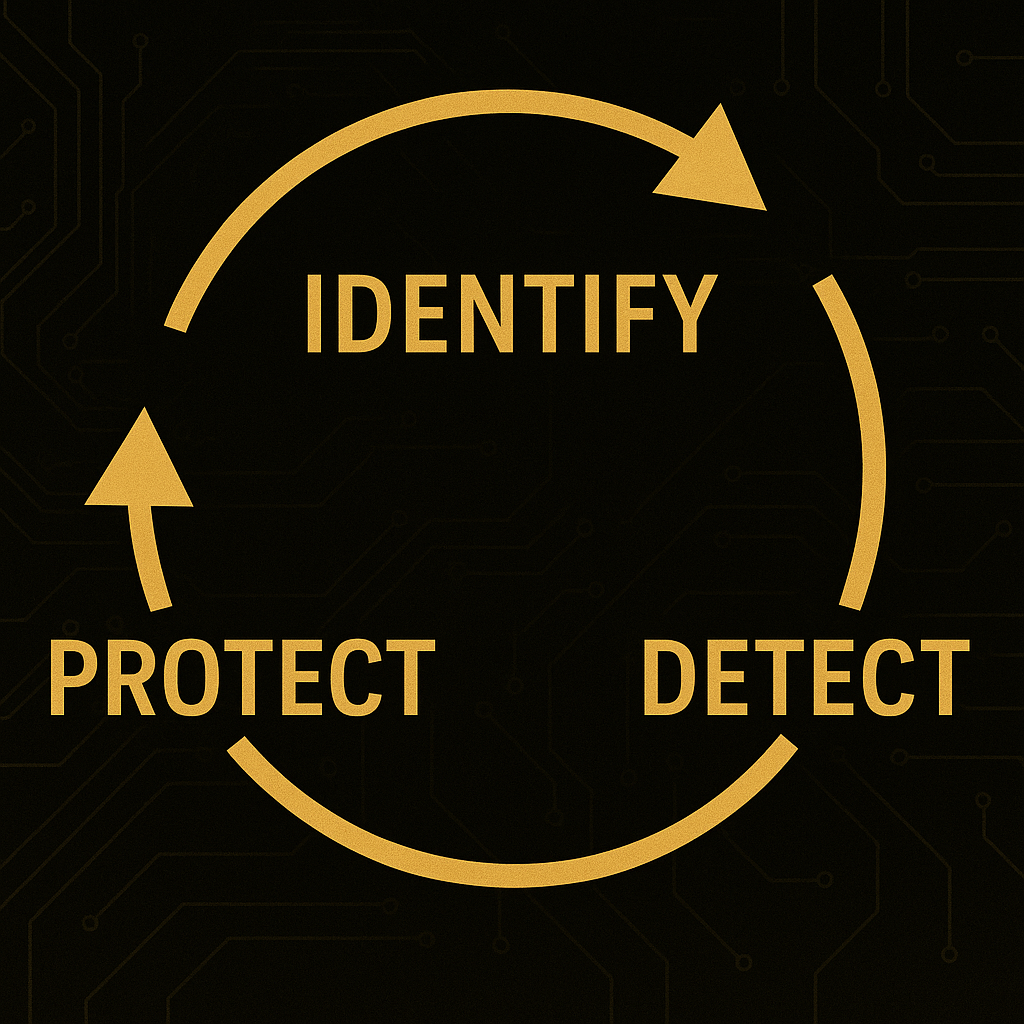
Building the Feedback Loop
A mature SOC doesn’t just respond to incidents it learns from them. Continuous exposure awareness helps create that feedback loop. Every alert, investigation, and containment effort contributes to a growing pool of organizational intelligence. Instead of starting from scratch after each breach, the SOC refines its processes based on real-world experience. This constant iteration builds a smarter, more adaptive defense posture.
The feedback loop also helps bridge the traditional gap between security and IT operations. When SOC insights feed into vulnerability management, configuration control, and employee training, improvements compound across the organization. Mistakes become lessons, and lessons become safeguards. Over time, this integration fosters a cycle of continuous improvement that reduces both the likelihood and the impact of future incidents.
Ultimately, the feedback loop transforms cybersecurity from a reactive discipline into an adaptive ecosystem. It ensures that every action whether it’s a patch, a response, or an investigation strengthens the system as a whole. The longer this loop runs, the more resilient the organization becomes. It’s not about perfection; it’s about progress that compounds over time.
Why It Matters
The importance of this evolution extends far beyond the SOC itself. Exposure awareness connects cybersecurity directly to the organization’s mission and priorities. When leaders understand which exposures threaten critical business functions, they can make informed, data-driven decisions about where to invest. This creates alignment between security strategy and business strategy something that’s been missing in many organizations for years.
Moreover, this alignment changes how success is measured. Instead of counting alerts closed or incidents responded to, success becomes about resilience the ability to prevent, withstand, and recover from attacks. SOCs equipped with exposure intelligence can demonstrate measurable value, showing how their actions directly protect assets, maintain uptime, and preserve customer trust. This transparency builds credibility across departments and with executive leadership.
For businesses operating in complex digital environments, that visibility is priceless. It allows them to navigate risk with confidence, make smarter investments, and communicate security outcomes in terms that everyone can understand. In short, exposure awareness turns cybersecurity from a technical challenge into a strategic advantage.

Courses